The Psychology of Interior Design: How Your Home Affects Your Mood
By Archosphere | Interior Design Experts
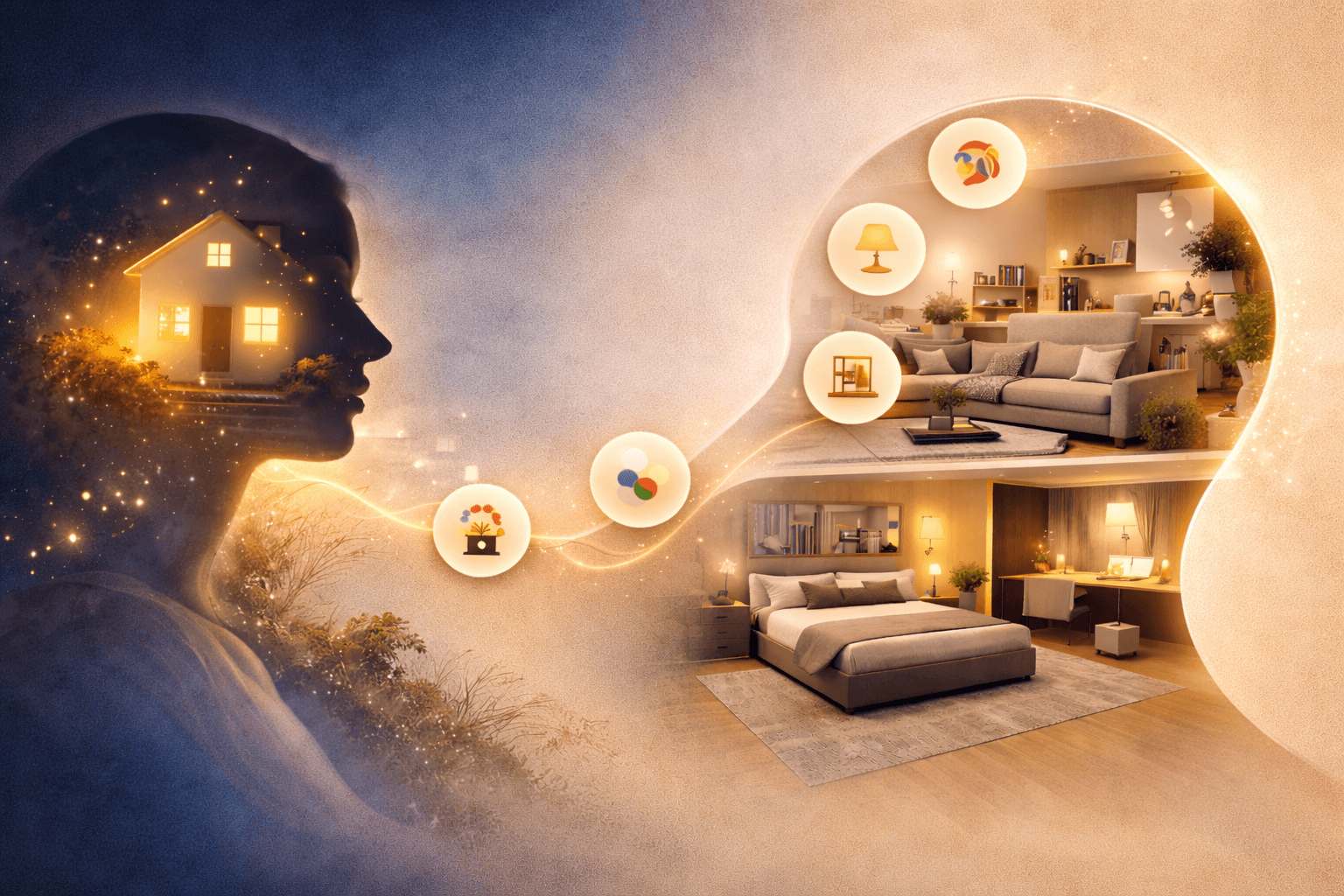
Have you ever walked into a room and instantly felt calm?
Or entered a space that made you feel stressed without knowing why?
That’s not random.
That’s design psychology.
At Archosphere, we believe interior design is not just about how a home looks — it’s about how it makes you feel.
Let’s explore how your interiors silently influence your mood, productivity, and overall well-being.
1. Colours Shape Emotions More Than You Think
Colours directly impact human psychology.
Soft neutrals create calmness.
Blues promote focus and stability.
Greens bring balance and freshness.
Warm tones create comfort and energy.
This is why bedroom colours feel different from living room shades. Every room has a purpose, and colour plays a huge role in supporting it.
When chosen thoughtfully, colours reduce stress and improve emotional comfort.
2. Clutter Creates Mental Noise
A cluttered space often leads to a cluttered mind.
When storage is not planned properly:
Surfaces fill up quickly
Visual distractions increase
Cleaning feels overwhelming
Smart interior planning ensures everything has its place. Hidden storage, organised wardrobes, and structured layouts make daily living smoother and calmer.
Less chaos = More clarity.
3. Lighting Changes Everything
Lighting is one of the most underrated design elements.
Natural light:
Boosts mood
Improves sleep cycles
Enhances productivity
Layered lighting (ambient + task + accent) creates balance. A well-lit space feels welcoming and energetic, while harsh lighting can feel tiring and uncomfortable.
Good lighting design is emotional design.
4. Layout Impacts Daily Comfort
Ever noticed how some homes feel spacious even if they are compact?
That’s layout planning.
A well-planned layout:
Improves movement flow
Reduces obstacles
Enhances functionality
When furniture placement is thoughtful, daily routines become effortless.
Interior design is not about filling space — it’s about freeing space.
5. Materials Influence Sensory Experience
Design is not only visual. It is sensory.
Soft fabrics add comfort
Wooden textures add warmth
Stone finishes add elegance
Smooth laminates add modern appeal
The materials you touch daily influence how connected you feel to your home.
6. Personalisation Builds Emotional Connection
Homes that feel “perfect” are rarely copied from catalogues.
They reflect:
Your lifestyle
Your habits
Your routines
Your personality
Whether it’s a reading corner, a cozy headboard, or a statement wall — personal touches create emotional belonging.
A well-designed home doesn’t just look beautiful.
It feels like you.
7. Interior Design Reduces Decision Fatigue
When your space is organised and functional:
You spend less time searching for things
You make fewer daily adjustments
Your routines become smoother
Good design simplifies life. And simplicity creates mental peace.
Why Thoughtful Design Matters
Interior design is not a luxury — it’s an investment in your daily comfort.
Your home affects:
Your mood
Your productivity
Your relationships
Your relaxation
When design supports your lifestyle, everything feels easier.
Final Thought
Your home should recharge you — not exhaust you.
At Archosphere, we design spaces that are not only visually appealing but emotionally intelligent. Because great interiors don’t just impress guests — they improve everyday living.
Thinking about transforming your space?
Let’s design a home that feels as good as it looks.